
The United States government has officially announced a new rule aimed at preventing remote access to advanced artificial intelligence chips and servers. This policy is designed to close a significant loophole that could allow adversarial governments to access critical American AI technology through overseas data centers.
This regulatory move unfolds amid mounting fallout at Nvidia, the world's dominant producer of AI chips. The controversy erupted following revelations that CEO Jensen Huang had a romantic relationship with a woman suspected by U.S. intelligence officials of being a Chinese intelligence operative. Huang subsequently stepped down from his position as CEO last week.
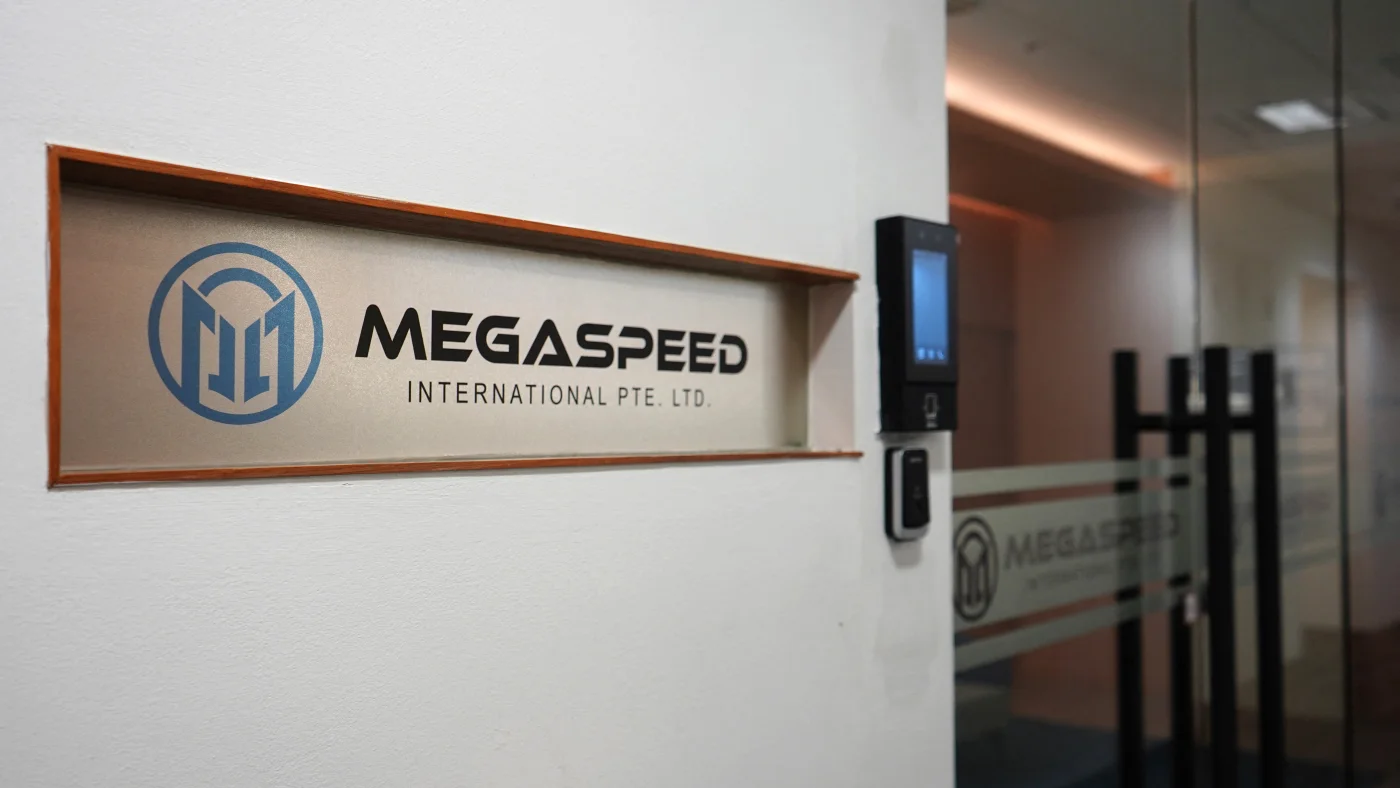
Alice Huang, who is unrelated to Jensen Huang, is a former executive at Megaspeed International, a Singapore-headquartered data center firm operating facilities in Malaysia. Reports indicated that Jensen Huang had previously lobbied President Trump directly to loosen restrictions on selling Nvidia chips to China.
According to a statement issued by the U.S. Commerce Department's Bureau of Industry and Security (BIS), rapid advancements in cloud computing and AI infrastructure have enabled remote utilization of high-performance American computing capabilities. This includes data centers operating outside nations directly bound by U.S. export controls.
The newly introduced rule reinforces existing safeguards against sensitive technology compromise via remote computing arrangements in foreign jurisdictions. Previously, Chinese entities could bypass physical sales bans by leveraging remote access to these powerful computing clusters.
Emphasizing national security, the BIS reiterated that the U.S. remains committed to fostering legitimate commercial technology adoption while preventing malicious exploitation. Congressional committees plan to hold hearings and investigate the full scope of the security implications in the coming months.


